Lake Texoma Should Be Capitalized: Understanding Proper Nouns, Grammar Rules, and Geographic Significance

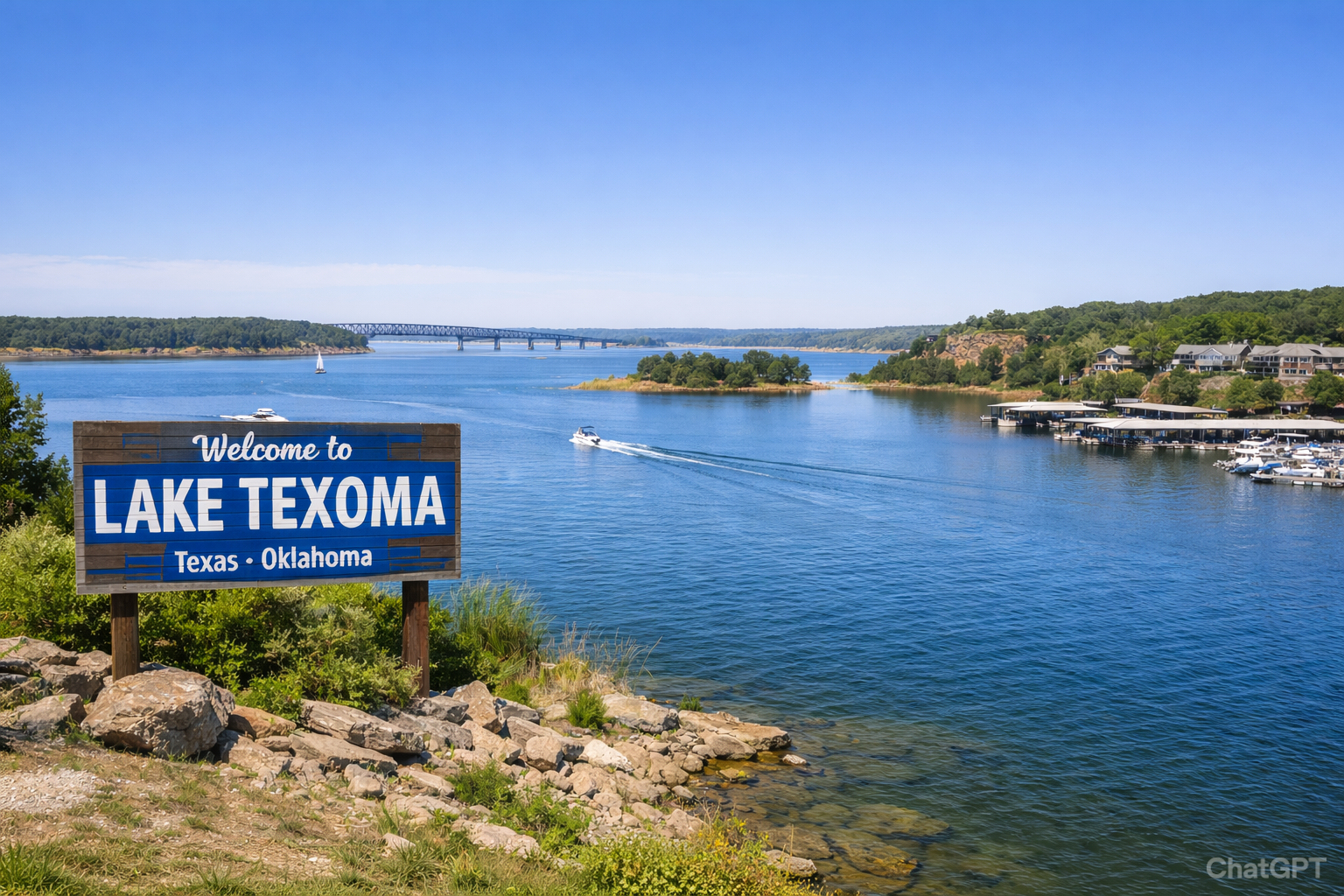
Lake Texoma Should Be Capitalized When it comes to grammar, small details can make a big difference. One common question that pops up in writing circles is whether certain place names should be capitalized. If you’ve ever wondered, “Lake Texoma should be capitalized, right?” — the answer is absolutely yes. But there’s more to it than just following a simple rule. Lake Texoma Should Be Capitalized Understanding why it’s capitalized helps you write more confidently and professionally.
In this article, we’ll break down the grammar behind capitalizing “Lake Texoma,” explore the geographical importance of this well-known reservoir, and explain how capitalization applies to similar names. By the end, you’ll not only know the rule — you’ll understand the reasoning behind it.
Why “Lake Texoma” Should Be Capitalized
First things first: Lake Texoma is a proper noun, and proper nouns are always capitalized. Lake Texoma Should Be Capitalized A proper noun refers to a specific name of a person, place, or thing. In this case, “Lake Texoma” is the official name of a reservoir located on the border between Texas and Oklahoma.
When writing about a general lake, you might say “the lake was peaceful at sunset.” In that sentence, “lake” is a common noun and does not need capitalization. Lake Texoma Should Be Capitalized, when you are referring to the specific body of water known as Lake Texoma, both words should be capitalized because together they form the formal name of a geographic location.
The rule applies to similar place names as well. For example, you would capitalize Lake Texoma just as you would capitalize Lake Michigan or Lake Tahoe. Lake Texoma Should Be Capitalized In all these cases, “Lake” is part of the official title and therefore must be capitalized.
Understanding the Grammar Rule Behind It
To truly grasp why Lake Texoma should be capitalized, you need to understand how proper nouns function in English grammar. Lake Texoma Should Be Capitalized Proper nouns identify a unique entity. They single something out from all others in its category.
The word “lake” by itself is a common noun. It refers to any body of water surrounded by land. But once you attach a specific name to it — such as Texoma — the phrase becomes a proper noun. Lake Texoma Should Be Capitalized The capitalization signals to readers that you are referring to a specific place rather than a general type of place.
Another key point is consistency. Style guides such as The Chicago Manual of Style and the Associated Press Stylebook clearly state that official geographic names must be capitalized. That includes mountains, rivers, lakes, oceans, and regions. Therefore, writing “lake texoma” in lowercase would be grammatically incorrect and stylistically unprofessional.
The Geographic Importance of Lake Texoma
Capitalization isn’t just about grammar rules — it’s also about respect and recognition. Lake Texoma is one of the largest reservoirs in the United States. It sits along the Red River, forming part of the border between Texas and Oklahoma. Lake Texoma Should Be Capitalized Because it is a significant landmark, using its proper name correctly matters.
The lake was created by the construction of Denison Dam in the early 1940s. Since then, it has become a major destination for fishing, boating, camping, and tourism. Thousands of visitors travel there each year to enjoy its recreational offerings. Writing its name correctly reflects its importance as a well-established geographic location.
Additionally, Lake Texoma plays a crucial role in flood control and water supply for surrounding communities. Its economic and environmental impact makes it far more than just “a lake.” It is a defined and named landmark, and proper capitalization acknowledges that status.
Common Mistakes Writers Make
Even experienced writers sometimes slip up when it comes to capitalizing geographic names. One common mistake is capitalizing the word “lake” when it is used generically. For example, writing “We visited the Lake last weekend” would be incorrect unless you are using the lake’s full proper name.
Another frequent error is partial capitalization, such as writing “Lake texoma.” This is incorrect because both words are part of the official name. Whenever a proper noun includes multiple words, each main word should be capitalized.
Writers also occasionally overthink the rule. They may wonder whether the word “lake” should be capitalized only when it comes before the name. In English, when the word “Lake” is officially part of the place name — as in Lake Texoma — it is always capitalized. The same rule applies in reverse forms like “the Texoma Lake area,” where context may determine formatting, but the official name itself remains capitalized.
How Capitalization Affects Professional Writing
Correct capitalization demonstrates attention to detail. Whether you’re writing a blog post, academic paper, travel guide, or news article, small grammatical choices influence how readers perceive your credibility.
Using lowercase for a proper noun like Lake Texoma can subtly undermine your authority. Readers may not consciously notice the mistake, but it creates an impression of carelessness. On the other hand, consistent and correct capitalization enhances clarity and professionalism.
Search engine optimization (SEO) is another factor to consider. When writing online content, using the correct capitalization for place names helps align your text with standard search queries and recognized geographic terms. It ensures your content appears polished and reliable.
Comparing “Lake Texoma” to Other Geographic Names
Looking at similar examples can reinforce the rule. Consider how we write names like Grand Canyon, Mount Everest, or Pacific Ocean. In each case, every major word is capitalized because it forms part of the official name.
The same logic applies to Lake Texoma. It is not just describing a lake in the Texoma region; it is the established name of the reservoir itself. The name “Texoma” is a blend of Texas and Oklahoma, reflecting the lake’s location along the state border. That uniqueness further confirms its status as a proper noun.
When you see it in print — on maps, travel brochures, government documents, or tourism websites — you’ll notice it is always capitalized. That consistency across authoritative sources reinforces the grammatical rule.
Why Proper Nouns Matter More Than You Think
Some people might ask, “Does capitalization really matter that much?” The answer is yes. Proper nouns carry identity. They represent specific people, places, brands, and institutions. Writing them correctly shows accuracy and respect.
In academic writing, incorrect capitalization can lead to grading penalties. In journalism, it can affect credibility. In business communication, it can make a company appear unpolished. Even in casual blogging, grammar influences how seriously readers take your content.
Lake Texoma should be capitalized not just because a rulebook says so, but because language functions as a system of shared understanding. Capitalization signals specificity. It tells readers that this is not just any lake — it is a particular, recognized place.
Final Thoughts: The Clear Answer
So, should Lake Texoma be capitalized? Absolutely. It is a proper noun, the official name of a significant geographic location, and part of standard English grammar rules. Both “Lake” and “Texoma” must begin with capital letters whenever you are referring to the reservoir itself.
Understanding this rule helps you avoid common mistakes and strengthens your writing overall. Capitalization may seem like a minor detail, but it carries weight in professional and academic contexts.