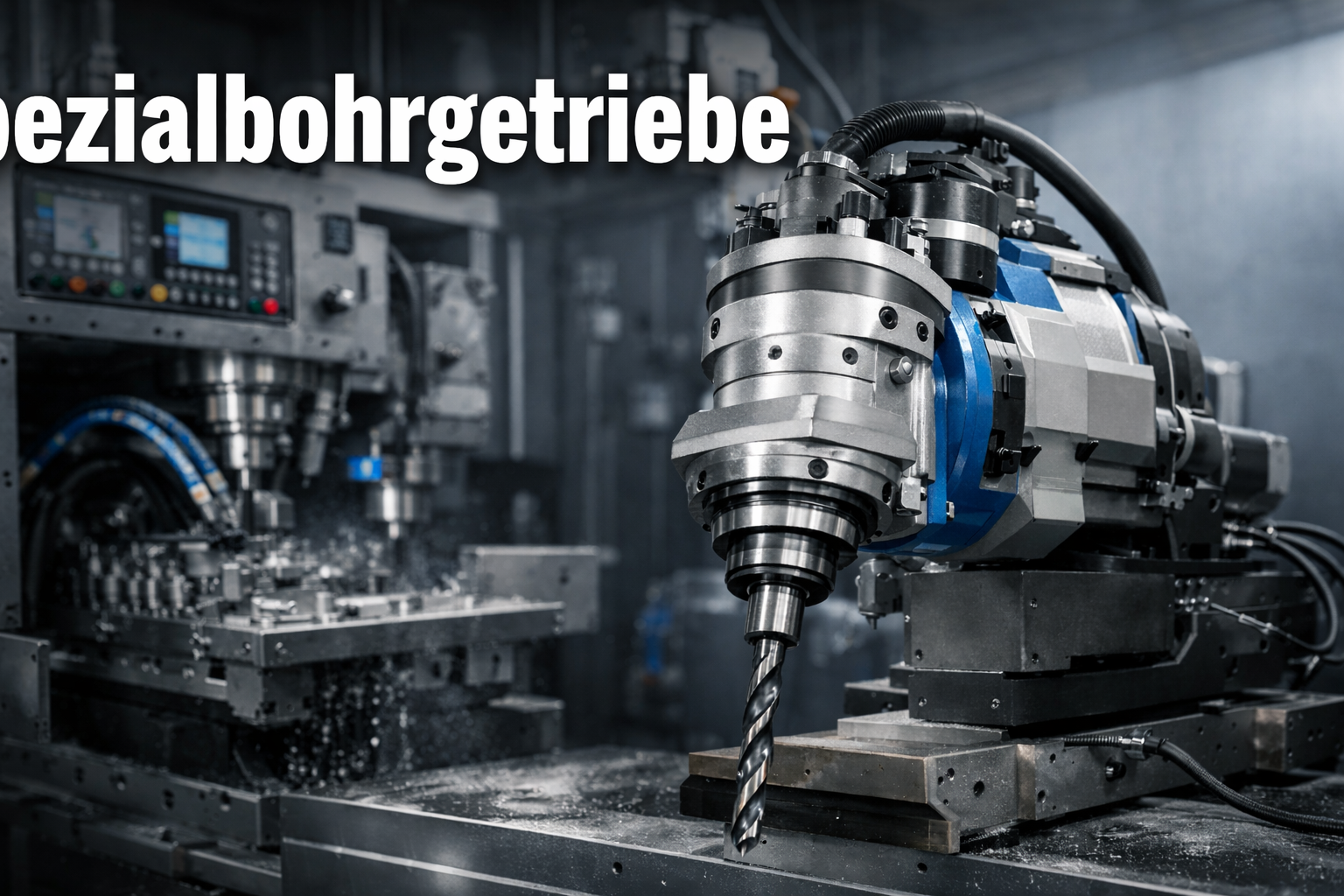
Spezialbohrgetriebe When it comes to high-performance drilling in industrial environments, one component quietly does the heavy lifting behind the scenes: the Spezialbohrgetriebe. While it may not be as widely discussed as motors or CNC systems, this specialized drilling gearbox plays a crucial role in delivering torque, precision, and durability where it matters most.
In industries such as automotive manufacturing, aerospace engineering, heavy machinery production, and even energy exploration, drilling tasks are rarely “standard.” Materials vary, tolerances tighten, and operational demands intensify. That’s where a Spezialbohrgetriebe steps in — engineered specifically to handle unique drilling challenges with maximum efficiency.
In this article, we’ll break down what a Spezialbohrgetriebe is, how it works, where it’s used, and why it remains an essential component in modern mechanical engineering.
What Is a Spezialbohrgetriebe?
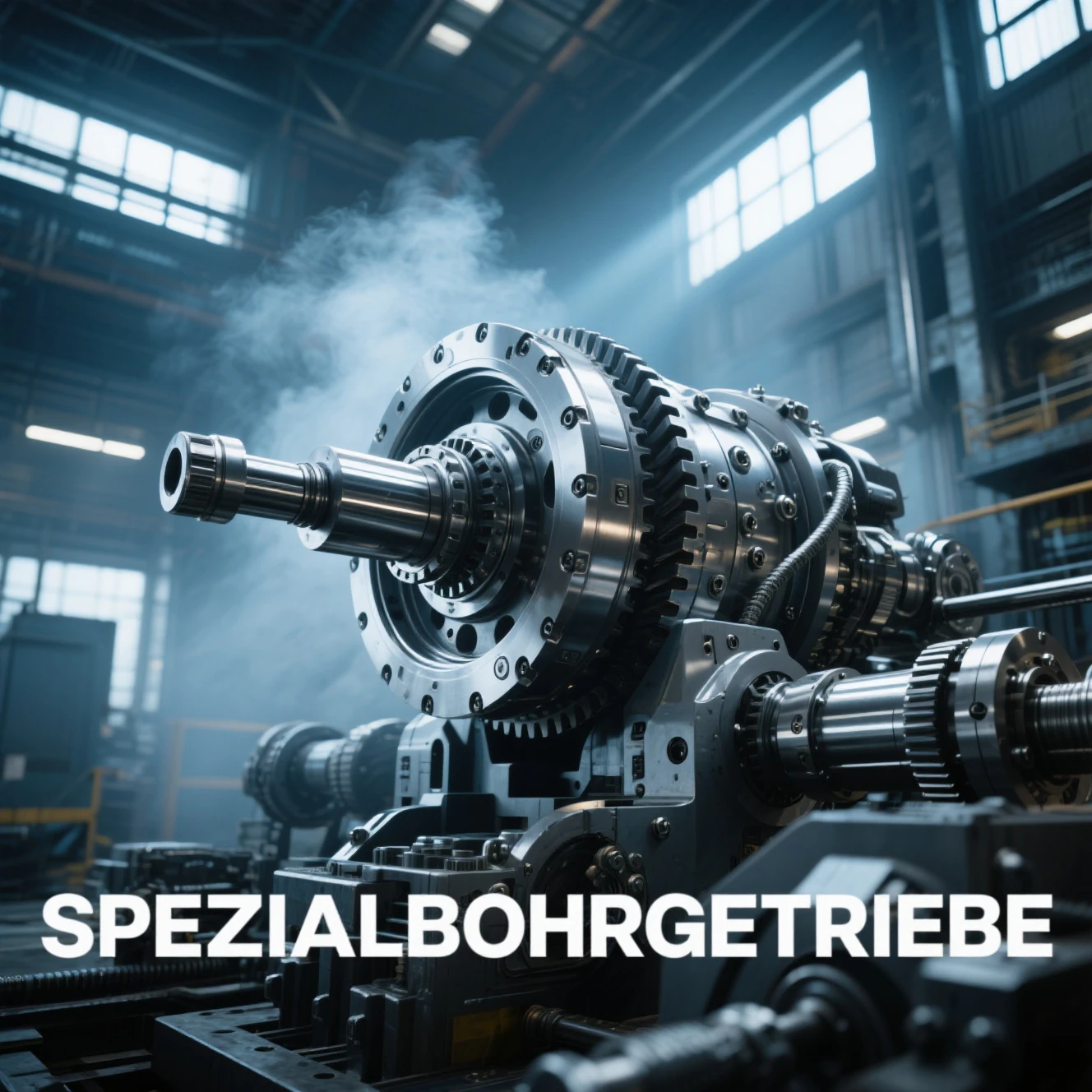
At its core, a Spezialbohrgetriebe is a specialized gearbox designed specifically for drilling applications. Unlike conventional gearboxes, which are often built for general-purpose power transmission, this type of gearbox is optimized for drilling tasks that require precise torque control, stable rotational speed, and consistent axial load handling.
The term itself is German: “Spezial” means special, “Bohr” relates to drilling, and “Getriebe” translates to gearbox or transmission. Germany’s strong reputation in mechanical engineering explains why this term is commonly used in industrial contexts worldwide. Many of these gear systems originate from German manufacturing traditions known for precision and reliability.
What sets a Spezialbohrgetriebe apart is its tailored configuration. It can be custom-designed to match a specific drilling process — whether that involves deep-hole drilling, high-speed micro-drilling, or heavy-duty rock drilling. Engineers select gear ratios, housing materials, bearing types, and lubrication systems based on the application’s exact requirements.
How a Spezialbohrgetriebe Works
Understanding how a Spezialbohrgetriebe functions requires a basic grasp of gearbox mechanics. In simple terms, a gearbox modifies the speed and torque of a motor’s output. For drilling, torque is often more critical than speed, especially when working with hard materials like steel alloys, titanium, or reinforced composites.
Inside a Spezialbohrgetriebe, precision-machined gears transmit rotational force from the motor to the drill spindle. Depending on the design, these may include spur gears, helical gears, planetary gear systems, or a combination of multiple gear stages. The configuration determines how torque is amplified and how speed is reduced.
One key feature is load stability. Drilling generates both rotational and axial forces. A specialized gearbox must handle these forces without excessive vibration or backlash. High-quality bearings, rigid housings, and optimized gear tooth geometry ensure smooth operation even under continuous heavy load.
Another important element is thermal management. Drilling operations can generate significant heat, especially in high-speed or deep-hole applications. A well-designed Spezialbohrgetriebe incorporates efficient lubrication systems and heat-dissipating materials to maintain performance and extend service life.
Key Advantages of Using a Spezialbohrgetriebe
There are several compelling reasons why manufacturers choose specialized drilling gearboxes over standard alternatives.
First and foremost is precision. In modern production environments, tolerances are often measured in micrometers. A slight deviation in rotational stability can result in inaccurate holes, increased tool wear, or defective components. Spezialbohrgetriebe are engineered to minimize backlash and maintain consistent rotational accuracy.
Second is durability. Industrial drilling operations can run for hours or even days without interruption. A gearbox not designed for such demands may fail prematurely. Specialized systems are built using hardened gears, reinforced housings, and advanced bearing systems to withstand long-term stress.
Third is adaptability. Many Spezialbohrgetriebe are modular in design. This means engineers can configure them for different torque levels, mounting orientations, or integration with CNC machines. That flexibility makes them suitable for custom machinery and automated production lines.
Finally, efficiency plays a major role. Optimized gear geometry reduces friction losses, improving overall energy efficiency. In large-scale operations, even small improvements in efficiency can translate into significant cost savings over time.
Applications Across Industries
Spezialbohrgetriebe are not limited to a single industry. In fact, their versatility makes them valuable across a wide range of sectors.
In the automotive industry, they are used in automated drilling stations where engine blocks, transmission housings, and chassis components require precise and repeatable drilling. The gearbox ensures that each hole meets exact specifications, even during high-volume production.
In aerospace manufacturing, precision is even more critical. Components made from lightweight yet strong materials like aluminum alloys and carbon fiber composites demand carefully controlled drilling processes. A Spezialbohrgetriebe provides the torque control and stability necessary to avoid material damage.
Heavy machinery and construction equipment manufacturing also rely on these systems. Drilling thick steel plates or structural components requires immense torque and robust gear systems capable of handling extreme loads.
Additionally, in the energy sector — including oil and gas exploration — specialized drilling gear systems support equipment used in challenging environments. Reliability in such settings is not just important; it is essential.
Design Considerations and Customization
Designing a Spezialbohrgetriebe is not a one-size-fits-all process. Engineers must consider multiple factors before finalizing the configuration.
The first factor is torque requirement. Different materials and drill diameters demand varying torque levels. Calculating these requirements accurately ensures the gearbox can handle the load without excessive wear.
Speed ratio selection is equally important. Some applications require slow, high-torque drilling, while others need high-speed precision drilling. The gear ratio determines how the motor’s power is transformed to meet these needs.
Material selection also plays a major role. High-strength alloy steels are commonly used for gears, often treated through processes such as carburizing or nitriding to enhance surface hardness. Housing materials must provide structural rigidity while minimizing weight.
Sealing and lubrication systems must be tailored to the operating environment. For example, gearboxes used in dusty or high-moisture environments require enhanced sealing solutions to prevent contamination.
Maintenance and Longevity
Even the best-designed Spezialbohrgetriebe requires proper maintenance to achieve its full lifespan.
Regular lubrication checks are critical. Over time, lubricant can degrade due to heat and contamination. Replacing or filtering it ensures smooth gear engagement and reduces wear.
Monitoring vibration and temperature is another proactive maintenance strategy. Sudden changes in vibration levels may indicate bearing wear or gear misalignment. Early detection can prevent costly downtime.
Scheduled inspections of seals, bearings, and gear teeth help maintain operational reliability. In high-demand industries, predictive maintenance systems using sensors are increasingly common, allowing operators to identify potential issues before failure occurs.
With proper care, a high-quality Spezialbohrgetriebe can operate reliably for many years, making it a cost-effective investment for industrial operations.
The Future of Spezialbohrgetriebe
As manufacturing technology evolves, so too does the design of specialized drilling gear systems. The integration of smart sensors and digital monitoring systems is becoming more common. These advancements allow real-time tracking of torque, temperature, and load conditions.
Additionally, improvements in materials science are leading to lighter yet stronger gear components. Advanced coatings reduce friction and enhance wear resistance, improving overall efficiency.
Automation and Industry 4.0 concepts are also influencing gearbox development. Modern Spezialbohrgetriebe are increasingly designed to integrate seamlessly with CNC systems and automated production lines, supporting data-driven optimization and improved production quality.
Looking ahead, the demand for precision drilling in advanced materials will continue to grow. As a result, the importance of specialized gear solutions will only increase.
Conclusion
The Spezialbohrgetriebe may not always be visible on the production floor, but its impact is undeniable. By delivering precise torque control, stable performance, and long-term durability, it enables modern industries to achieve the high standards required in today’s competitive landscape.
From automotive assembly lines to aerospace engineering facilities, this specialized drilling gearbox remains a cornerstone of precision manufacturing. Its ability to adapt to demanding applications while maintaining efficiency and reliability makes it an indispensable component in industrial engineering.