Modern digital operations rely heavily on efficient workflow systems, precise time management, and data-driven productivity tools. Timewarp TaskUs As remote work and global service teams expand, organizations are constantly searching for better ways to track work performance without disrupting employee experience. One solution that has gained increasing attention is timewarp taskus, a workflow and time-management approach associated with the global outsourcing company TaskUs.
The concept is not just about monitoring hours or tracking tasks. Instead, it focuses on creating visibility into productivity patterns, improving operational efficiency, and enabling teams to work smarter rather than simply harder. Businesses using systems like this often discover new insights about how work actually happens inside their teams.
In this comprehensive guide, we explore how the system works, why organizations adopt it, how it affects employees, and how it fits into the evolving landscape of modern digital operations.
Understanding the Core Idea Behind Timewarp TaskUs

At its core, timewarp taskus represents a structured method of analyzing how time is spent across digital workflows. It helps organizations track activity patterns while connecting them to performance, efficiency, and operational outcomes.
Rather than focusing solely on surveillance or micromanagement, the system emphasizes workflow transparency. Managers and employees can see how tasks flow throughout the day, making it easier to identify inefficiencies and opportunities for improvement.
The Origins of Time Tracking in Digital Operations
Time tracking has existed for decades, but modern service companies require far more sophisticated insights than traditional timesheets can provide. Outsourcing and customer support environments often involve complex task switching, which makes simple time logs inadequate.
Solutions like timewarp taskus evolved to bridge this gap. By combining productivity monitoring with workflow analytics, companies can understand not only how long tasks take but also how work patterns influence overall service quality.
Why Modern Companies Need Advanced Workflow Visibility
Digital businesses operate at high speed, often managing thousands of support requests, moderation tasks, or back-office operations every day. Without visibility into workflows, inefficiencies can remain hidden for long periods.
Using systems similar to timewarp taskus, organizations gain real-time insights into team performance. This visibility allows leadership to optimize staffing, improve scheduling, and prevent burnout among employees handling demanding workloads.
How TaskUs Uses Workflow Intelligence
As a global outsourcing provider, TaskUs supports large technology brands, social platforms, and digital services. Managing such large-scale operations requires sophisticated tools that ensure both productivity and quality.
Within this environment, timewarp taskus functions as a framework that helps teams understand how their workday unfolds. By analyzing workflow patterns, managers can identify bottlenecks and streamline operations without disrupting employee autonomy.
The Technology Behind Timewarp Systems
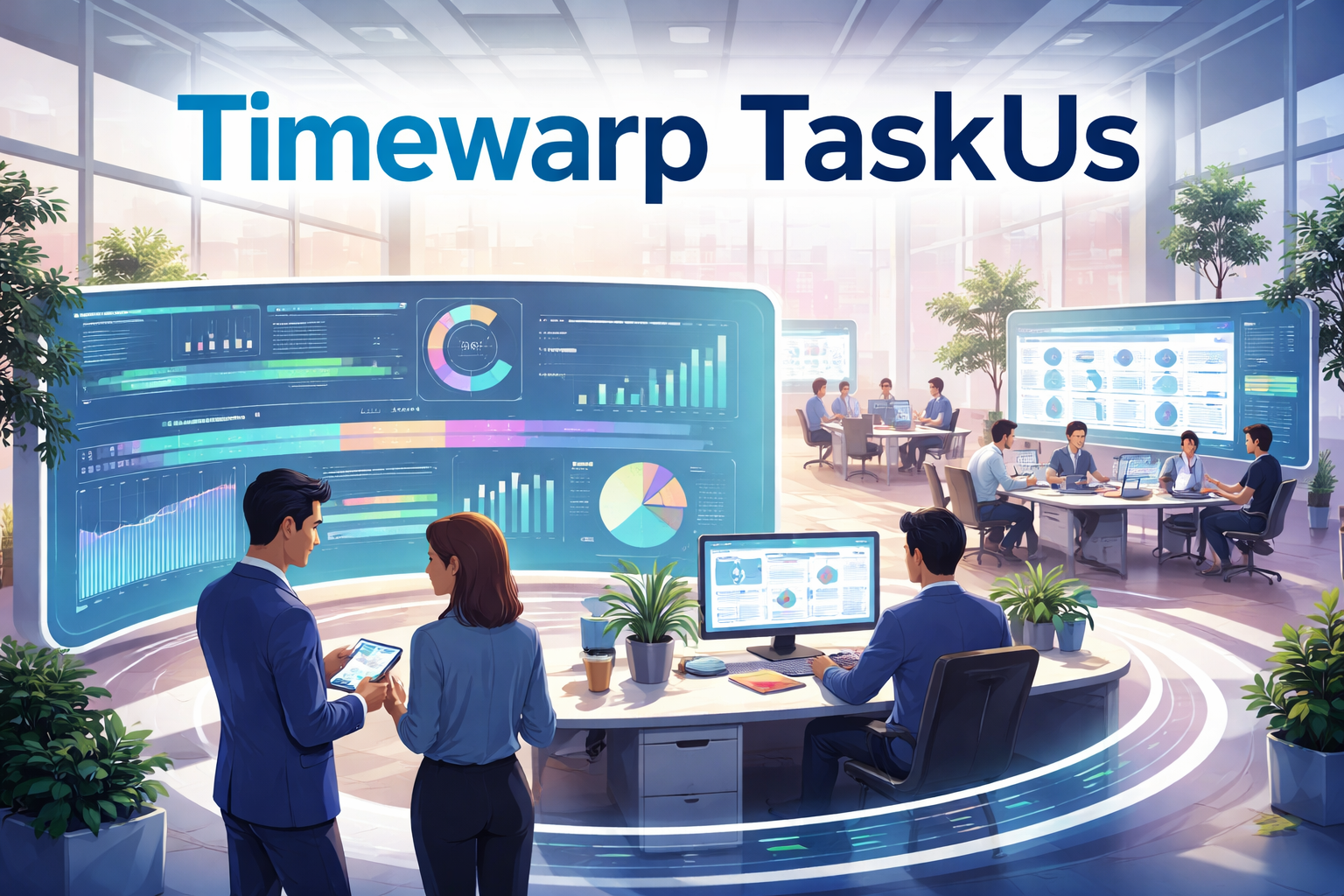
Modern workflow monitoring platforms rely on advanced analytics, cloud-based dashboards, and real-time activity tracking. These tools gather data about task completion, application usage, and workflow movement.
The technology supporting timewarp taskus integrates these capabilities into a unified system. This allows operations leaders to connect time usage with measurable outcomes such as response times, service levels, and customer satisfaction.
Key Components of the Timewarp Workflow Model
The system typically includes several components designed to create a comprehensive productivity picture. These components work together to provide both macro-level insights and detailed activity breakdowns.
Within timewarp taskus, organizations often track task duration, workflow transitions, and idle periods. This data helps managers understand how tasks move through the system and where delays might occur.
Productivity Analytics and Data Insights
One of the most powerful aspects of modern workflow tools is the ability to transform raw data into actionable insights. Productivity analytics reveal patterns that would otherwise remain invisible.
When using timewarp taskus, teams can identify trends such as peak productivity hours, workflow interruptions, and task complexity. These insights allow organizations to design smarter schedules and better allocate resources.
How Employees Interact With the System
Contrary to common misconceptions, workflow analytics systems are not necessarily intrusive or restrictive. When implemented properly, they can empower employees by making expectations clearer.
Employees interacting with timewarp taskus often gain a better understanding of their own productivity patterns. This awareness can help individuals manage their workload more effectively and avoid unnecessary stress.
Benefits for Operations Managers
Operations managers face the challenge of balancing productivity, employee wellbeing, and service quality. Tools that provide real-time insights make this balancing act far easier.
With systems like timewarp taskus, managers can monitor operational health without constantly interrupting employees. The data-driven approach allows them to identify issues early and respond with targeted improvements.
Impact on Customer Experience
Customer experience depends heavily on how efficiently internal teams handle requests. Slow response times or inconsistent service often result from workflow inefficiencies rather than employee performance.
By analyzing workflow data through timewarp taskus, organizations can identify delays and redesign processes to improve response speed. This ultimately leads to a better experience for customers interacting with support teams.
Addressing Common Misconceptions About Workflow Monitoring
Many people initially assume that productivity tracking systems exist primarily for surveillance. While poorly implemented tools can create this perception, modern systems aim for a more balanced approach.
The philosophy behind timewarp taskus focuses on operational insight rather than employee policing. When employees understand the purpose of the system, it often becomes a collaborative tool for improving efficiency.
Comparison With Traditional Time Tracking
Traditional time tracking relies on manual input, static reports, and limited data visibility. While useful in simple environments, these systems cannot capture the complexity of modern digital work.
The following table illustrates the differences between conventional tracking methods and systems like timewarp taskus.
| Feature | Traditional Time Tracking | Timewarp Workflow Systems |
| Data collection | Manual entry | Automated activity analysis |
| Visibility | End-of-day reports | Real-time dashboards |
| Productivity insights | Limited | Advanced analytics |
| Workflow tracking | Minimal | Detailed task flow monitoring |
| Operational optimization | Difficult | Data-driven decision making |
The Role of Data Transparency in Modern Workplaces
Transparency plays an important role in building trust between employees and management. When teams understand how data is used, they are more likely to support productivity initiatives.
In the context of timewarp taskus, transparency means explaining how workflow data improves scheduling, workload balance, and overall efficiency rather than simply measuring activity.
Integrating Workflow Systems With Other Tools
Modern organizations rarely rely on a single platform to manage their operations. Workflow monitoring tools often integrate with project management, communication, and analytics platforms.
Systems similar to timewarp taskus can connect with CRM platforms, helpdesk software, and internal dashboards. These integrations create a more complete view of how work moves through the organization.
Real-World Example of Workflow Optimization
Consider a customer support team handling thousands of tickets each day. Without detailed workflow data, managers might assume that slow responses are caused by understaffing.
After implementing timewarp taskus, the team might discover that frequent task switching is the real problem. By reorganizing workflows and assigning clearer task segments, response times can improve significantly without hiring additional staff.
The Human Side of Productivity Analytics
Technology alone cannot transform a workplace. Successful workflow systems require thoughtful leadership and open communication between teams and management.
The effectiveness of timewarp taskus often depends on how well organizations balance data insights with human judgment. When leaders prioritize employee wellbeing alongside productivity, the system becomes a tool for collaboration rather than control.
Industry Trends Shaping Workflow Intelligence
Digital service industries continue to evolve rapidly. Remote work, distributed teams, and automation have dramatically changed how companies manage productivity.
As a result, frameworks like timewarp taskus reflect a broader trend toward intelligent workflow analytics. Companies increasingly rely on data to optimize operations and improve employee experiences simultaneously.
The Future of Productivity Monitoring
Artificial intelligence and predictive analytics are likely to play a major role in the next generation of workflow tools. These technologies can identify patterns that humans might overlook.
In future versions of systems like timewarp taskus, predictive models may forecast workload spikes, recommend staffing adjustments, and automatically optimize task distribution across teams.
Expert Perspective on Workflow Intelligence
Industry experts often emphasize that productivity analytics should serve both organizations and employees.
As one operations consultant explains:
“Effective workflow intelligence is not about watching people work; it’s about understanding how work actually happens and designing systems that help people succeed.”
This philosophy aligns closely with the goals behind timewarp taskus, which aims to improve operational clarity while supporting the teams performing the work.
Implementing Workflow Systems Successfully
Introducing a new workflow monitoring system requires careful planning. Organizations must clearly communicate the purpose of the technology and ensure employees feel included in the process.
Successful adoption of timewarp taskus typically involves training programs, transparent policies, and continuous feedback loops that allow employees to share their experiences with the system.
Why Workflow Data Matters More Than Ever
In an era where digital services operate around the clock, even small inefficiencies can multiply quickly. A few seconds lost in each task can translate into hours of productivity loss across large teams.
Using tools like timewarp taskus, organizations gain the ability to detect these small inefficiencies early. Over time, incremental improvements can significantly increase overall operational performance.
Conclusion
The modern workplace depends on visibility, efficiency, and data-driven decision making. As companies grow more complex and global teams become the norm, traditional time tracking methods are no longer sufficient.
Frameworks such as timewarp taskus represent the next evolution of productivity analytics. By combining workflow monitoring, performance insights, and operational intelligence, organizations can understand how work actually happens and continuously improve their processes.
When implemented thoughtfully, these systems benefit both organizations and employees. They create clearer expectations, smarter workflows, and a more balanced approach to productivity in the digital era.
Frequently Asked Questions
What is timewarp taskus?
Timewarp taskus is a workflow analytics and productivity tracking framework used to analyze how time and tasks move through digital operations, helping organizations optimize performance.
Is timewarp taskus used for employee monitoring?
While it collects productivity data, timewarp taskus primarily focuses on workflow insights and operational efficiency rather than intrusive employee surveillance.
How does timewarp taskus improve productivity?
By identifying workflow bottlenecks, idle periods, and task inefficiencies, timewarp taskus helps organizations redesign processes and improve overall team performance.
Which industries benefit from timewarp taskus?
Industries such as customer support, outsourcing, content moderation, and digital services often benefit most from systems like timewarp taskus due to their complex workflows.
Does timewarp taskus affect employee experience?
When implemented transparently, timewarp taskus can actually improve employee experience by creating clearer expectations, balanced workloads, and more efficient workflows.