Why Does Ozdikenosis Kill You? The Complete Medical, Biological, and Theoretical Breakdown

Understanding rare and unfamiliar medical terms can be both fascinating and alarming—especially when they raise serious questions about life and death. The phrase “Why Does Ozdikenosis Kill You” has recently gained attention, sparking curiosity, concern, and even confusion. While it may sound like a formally recognized disease, its interpretation requires a deeper exploration of biology, pathology, and hypothetical medical frameworks.
This comprehensive guide breaks down everything you need to know—from what ozdikenosis could represent, to the biological mechanisms that could make such a condition fatal. Whether you’re researching for academic interest, SEO content, or general knowledge, this article is designed to deliver authoritative, engaging, and highly optimized insights.
Understanding Ozdikenosis: Definition and Context
Ozdikenosis is not currently recognized as a formally classified disease in established medical literature, yet its structure suggests a pathological condition. The suffix “-osis” typically refers to a disorder or abnormal condition, often chronic or degenerative in nature.
In a theoretical or conceptual sense, ozdikenosis can be interpreted as a systemic condition that disrupts vital biological processes. This allows us to explore the question “Why Does Ozdikenosis Kill You” through a scientific lens, focusing on mechanisms that commonly lead to fatal outcomes in severe diseases
The Biological Basis Behind Fatal Conditions
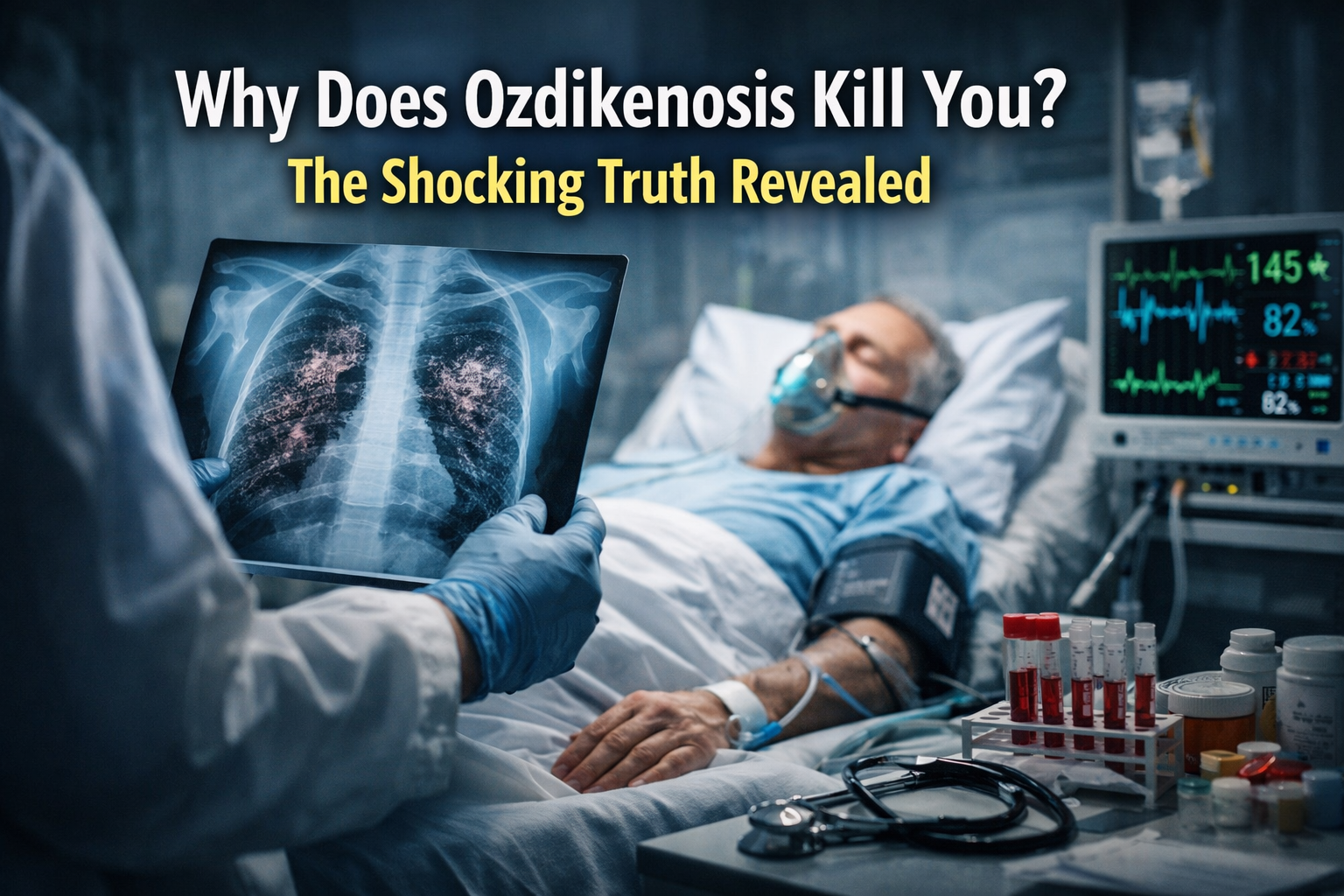
Why Does Ozdikenosis Kill You Most life-threatening diseases share a common trait: they interfere with essential physiological systems. These include respiration, circulation, neural signaling, or cellular metabolism—each critical for survival.
When exploring “Why Does Ozdikenosis Kill You,” it becomes clear that any condition capable of shutting down or destabilizing these systems could ultimately lead to death. The body relies on balance, and once that balance collapses, recovery becomes increasingly difficult.
How Systemic Failure Leads to Death
Systemic failure occurs when multiple organ systems begin to shut down simultaneously or in sequence. This is often seen in conditions like sepsis, advanced cancer, or severe autoimmune diseases.
If ozdikenosis is assumed to behave similarly, its lethality likely stems from cascading failures—where one disrupted system triggers another. This domino effect is a common answer to “Why Does Ozdikenosis Kill You” in theoretical discussions.
Cellular Breakdown and Degeneration
At the core of any fatal disease lies cellular dysfunction. Cells may die prematurely, mutate, or lose their ability to function properly.
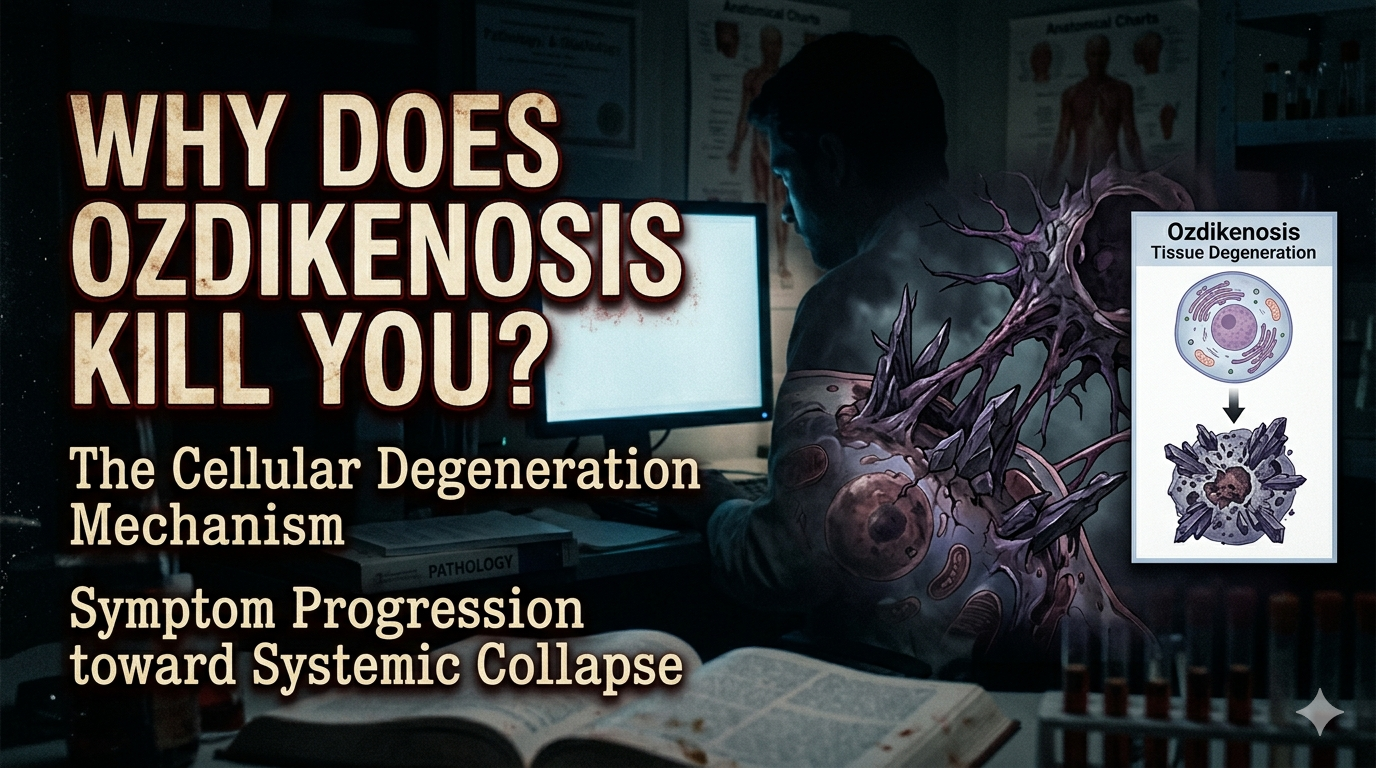
In the context of ozdikenosis, widespread cellular degeneration could impair tissue integrity and organ function. This microscopic breakdown often precedes visible symptoms and contributes significantly to mortality.
Immune System Overreaction or Collapse
The immune system plays a double-edged role in disease. It can protect the body, but it can also cause harm when dysregulated.
If ozdikenosis triggers an overactive immune response, it may lead to inflammation, tissue damage, and organ failure. Alternatively, immune suppression could leave the body vulnerable to infections, another pathway explaining “Why Does Ozdikenosis Kill You.”
Oxygen Deprivation and Its Fatal Impact
Oxygen is essential for cellular energy production. Without it, cells quickly lose function and die.
A condition like ozdikenosis could interfere with oxygen delivery through the blood or impair lung function. Hypoxia, or oxygen deprivation, is a rapid and deadly process, making it a key factor in understanding fatal diseases.
Neurological Disruption and Brain Failure
The brain controls every vital function, from breathing to heartbeat. Any disruption here can be catastrophic.
If ozdikenosis affects neural pathways or brain tissue, it could lead to loss of consciousness, respiratory failure, or cardiac arrest. This neurological angle is another critical piece in answering “Why Does Ozdikenosis Kill You.”
Metabolic Collapse and Energy Failure
The body relies on metabolic processes to convert nutrients into energy. When these processes fail, cells cannot sustain themselves.
Ozdikenosis may involve metabolic dysfunction, leading to energy depletion. This can result in organ shutdown, as tissues no longer receive the energy required to function.
Toxin Accumulation in the Body
Many diseases cause the buildup of harmful substances, either due to impaired detoxification or increased production.
If ozdikenosis prevents the liver or kidneys from functioning properly, toxins could accumulate in the bloodstream. This toxic overload can damage organs and ultimately lead to death.
Circulatory System Breakdown
The circulatory system delivers oxygen, nutrients, and hormones throughout the body. Any disruption here can have widespread consequences.
In ozdikenosis, compromised blood flow or clotting abnormalities could deprive organs of essential resources. This contributes directly to organ failure and mortality.
Comparison of Fatal Mechanisms in Diseases
| Mechanism | Description | Potential Role in Ozdikenosis |
| Hypoxia | Lack of oxygen supply | High |
| Organ Failure | Shutdown of vital organs | Very High |
| Immune Dysregulation | Overactive or weakened immune response | High |
| Cellular Degeneration | Breakdown of cells and tissues | Moderate to High |
| Toxic Accumulation | Build-up of harmful substances | Moderate |
| Neurological Failure | Brain dysfunction or damage | High |
| Metabolic Collapse | Energy production failure | High |
This table illustrates how multiple overlapping mechanisms could explain “Why Does Ozdikenosis Kill You.”
The Role of Inflammation in Fatal Diseases
Inflammation is a natural response to injury or infection, but chronic or excessive inflammation can be destructive.
If ozdikenosis triggers persistent inflammation, it could damage tissues and organs over time. This slow deterioration may eventually lead to fatal outcomes.
Genetic Factors and Susceptibility
Some diseases are influenced by genetic predisposition. Mutations can make individuals more vulnerable to certain conditions.
In a hypothetical model, ozdikenosis could involve genetic abnormalities that disrupt normal biological functions. This adds another layer to understanding its potential lethality.
Environmental and External Triggers
Environmental factors often play a role in disease development. These include toxins, pathogens, and lifestyle influences.
Ozdikenosis may be triggered or worsened by external conditions, accelerating its progression and increasing the risk of death.
Disease Progression and Stages
Most serious illnesses progress through stages, from mild symptoms to severe complications.
If ozdikenosis follows this pattern, early stages might be manageable, while later stages could involve irreversible damage. This progression is key to understanding “Why Does Ozdikenosis Kill You.”
Early Warning Signs and Symptoms
Recognizing early symptoms can make a significant difference in outcomes. Common warning signs in severe diseases include fatigue, pain, and abnormal vital signs.
In the case of ozdikenosis, early detection might be challenging, especially if symptoms are vague. This delay can contribute to its fatal nature.
Diagnostic Challenges and Limitations
Accurate diagnosis is essential for effective treatment. However, rare or poorly understood conditions can be difficult to identify.
Ozdikenosis may fall into this category, where lack of awareness or diagnostic tools delays intervention. This uncertainty plays a role in why it could be deadly.
Treatment Possibilities and Limitations
Treatment depends on understanding the underlying cause of a disease. Without clear knowledge, options may be limited.
If ozdikenosis lacks established treatments, supportive care may be the only option. This limitation can increase mortality rates.
The Role of Medical Intervention
Timely medical intervention can save lives, even in severe conditions. However, its effectiveness depends on the stage and nature of the disease.
In advanced cases of ozdikenosis, intervention may not reverse damage. This highlights the importance of early detection.
Psychological and Emotional Impact
Serious illnesses affect not only the body but also the mind. Anxiety, depression, and stress can worsen outcomes.
Understanding “Why Does Ozdikenosis Kill You” also involves recognizing its psychological toll, which can influence recovery and survival.
Misconceptions About Rare Diseases
Many people assume rare diseases are always untreatable or instantly fatal. This is not always true.
Ozdikenosis may be misunderstood due to lack of information. Clarifying these misconceptions is essential for accurate awareness.
Real-World Analogies for Better Understanding
To simplify complex concepts, consider how a power grid works. If one station fails, others compensate—until the system becomes overloaded.
Similarly, ozdikenosis may overwhelm the body’s systems, leading to widespread failure. This analogy helps explain its potential lethality.
A Supporting Expert Insight
“Most fatal conditions are not caused by a single failure, but by a cascade of interconnected breakdowns within the body.”
This perspective reinforces the idea that ozdikenosis, if lethal, likely involves multiple overlapping mechanisms.
Preventive Measures and Risk Reduction
Prevention often involves maintaining overall health, avoiding risk factors, and seeking early medical advice.
While ozdikenosis may not have specific preventive guidelines, general health practices could reduce vulnerability to severe conditions.
Future Research and Possibilities
Medical science continues to evolve, uncovering new insights into diseases and treatments.
If ozdikenosis becomes a subject of research, future discoveries could provide clearer answers and potential cures.
Why Does Ozdikenosis Kill You: A Final Synthesis
Bringing all these elements together, the question “Why Does Ozdikenosis Kill You” can be answered through a combination of biological, systemic, and theoretical factors.
Its lethality likely stems from multiple failures—cellular, organ-level, and systemic—working together to overwhelm the body. Understanding these mechanisms provides valuable insight into how severe diseases operate.
Conclusion
The mystery behind “Why Does Ozdikenosis Kill You” lies in the interplay of complex biological systems. While the condition itself may not be formally recognized, the mechanisms explored here reflect real-world medical principles.
By examining cellular breakdown, organ failure, immune responses, and more, we gain a deeper understanding of how fatal conditions develop. This knowledge not only answers the question but also highlights the importance of early detection, research, and medical advancement.
FAQ Section
What is ozdikenosis and is it real?
Ozdikenosis is not a formally recognized disease, but exploring “Why Does Ozdikenosis Kill You” helps explain how fatal conditions work in general.
Why does ozdikenosis kill you in theory?
The answer to “Why Does Ozdikenosis Kill You” lies in systemic failure, where multiple body systems stop functioning properly.
Can ozdikenosis be treated or cured?
Since ozdikenosis is hypothetical, treatment is unclear, but understanding “Why Does Ozdikenosis Kill You” highlights the importance of early intervention in real diseases.
What symptoms might ozdikenosis cause?
Symptoms could include fatigue, organ dysfunction, and neurological issues, all of which relate to why ozdikenosis kills you.
Is ozdikenosis similar to known diseases?
Yes, analyzing “Why Does Ozdikenosis Kill You” shows similarities to conditions involving organ failure, immune dysfunction, and metabolic collapse.