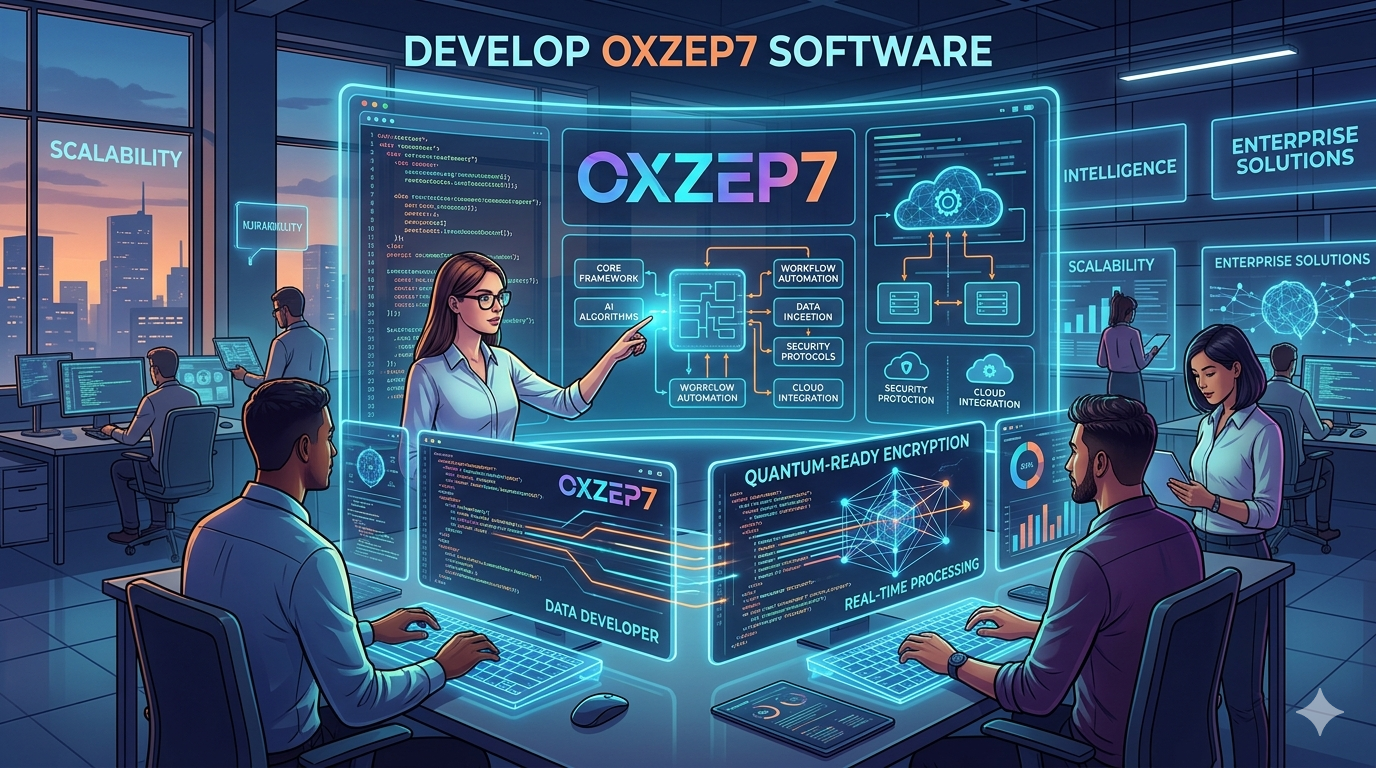
The demand to develop oxzep7 software has surged as businesses seek faster, smarter, and more adaptive digital solutions. Whether you’re a startup founder, enterprise architect, or independent developer, understanding how to approach this emerging software concept can give you a powerful competitive edge.
This guide delivers a deep, practical, and authoritative breakdown of how to successfully develop oxzep7 software—from foundational principles to real-world implementation strategies—while maintaining performance, scalability, and long-term value.
Understanding the Concept Behind Oxzep7 Software
At its core, oxzep7 software represents a next-generation approach to modular, adaptive, and intelligent system design. It emphasizes flexibility, automation, and integration across multiple platforms without rigid dependencies.
To oxzep7 software effectively, developers must adopt a mindset that prioritizes interoperability and dynamic architecture. Instead of building static systems, the focus shifts toward evolving ecosystems that respond to user behavior and data patterns in real time.
Why Businesses Are Choosing to Develop Oxzep7 Software

Organizations today operate in fast-changing environments where traditional software struggles to keep up. Develop Oxzep7 Software offers a solution by enabling systems that scale seamlessly and adapt quickly to new requirements.
When companies oxzep7 software, they benefit from improved efficiency, reduced operational friction, and enhanced user experiences. This makes it especially attractive in industries like fintech, SaaS, and digital commerce.
Core Architecture Principles of Oxzep7 Systems
A strong architectural foundation is critical when aiming to oxzep7 software. The system must be designed with modularity at its core, allowing independent components to function and evolve without disrupting the entire ecosystem.
Equally important is the use of event-driven design patterns. These allow different modules to communicate efficiently, ensuring that the system remains responsive, scalable, and resilient under heavy workloads.
Key Technologies Used to Develop Oxzep7 Software
Modern development stacks play a crucial role in enabling oxzep7 capabilities. Technologies such as microservices frameworks, containerization tools, and cloud-native platforms are often essential components.
To oxzep7 software successfully, teams also rely on AI-driven analytics, real-time data processing engines, and API-first development strategies. These technologies ensure adaptability and long-term sustainability.
Step-by-Step Strategy to Develop Oxzep7 Software
The process begins with defining clear objectives and identifying the core problems the software aims to solve. Without a strong strategic foundation, even advanced systems can fail to deliver meaningful results.
Next comes iterative development, where teams build, test, and refine modules continuously. This agile approach ensures that when you oxzep7 software, the final product remains aligned with user needs and market demands.
Designing for Scalability and Performance
Scalability is a non-negotiable requirement in modern software systems. Oxzep7 frameworks are built to handle increasing workloads without compromising speed or reliability.
To develop oxzep7 software that performs under pressure, developers must implement load balancing, distributed computing, and efficient resource management strategies. These ensure smooth operation even during peak usage.
Security Considerations in Oxzep7 Development
Security must be embedded into every layer of the system rather than treated as an afterthought. Oxzep7 software often handles complex integrations, making it a potential target for vulnerabilities.
When teams develop oxzep7 software, they must adopt zero-trust architectures, encryption protocols, and continuous monitoring systems. This proactive approach minimizes risks and protects sensitive data.
Integration and Interoperability
One of the defining characteristics of oxzep7 software is its ability to integrate seamlessly with other systems. This includes third-party tools, legacy platforms, and emerging technologies.
To develop oxzep7 software effectively, developers should prioritize API-driven communication and standardized data formats. This ensures smooth interaction across different environments and reduces compatibility issues.
Real-World Use Cases of Oxzep7 Software
Businesses across industries are leveraging oxzep7 systems to transform their operations. For example, e-commerce platforms use them to personalize customer experiences in real time.
Similarly, healthcare organizations develop oxzep7 software to streamline patient data management and improve decision-making through predictive analytics. These applications highlight the versatility and impact of this approach.
Common Challenges and How to Overcome Them
Despite its advantages, developing oxzep7 software comes with challenges such as complexity, resource requirements, and integration difficulties. These can slow down development if not managed properly.
The key is to adopt a phased implementation strategy. By breaking the system into manageable components, teams can develop oxzep7 software more efficiently while minimizing risks and maintaining control.
Comparison of Traditional vs Oxzep7 Software
| Feature | Traditional Software | Oxzep7 Software |
| Architecture | Monolithic | Modular & Distributed |
| Scalability | Limited | Highly Scalable |
| Integration | Complex | API-Driven & Seamless |
| Flexibility | Low | High |
| Maintenance | Time-Consuming | Continuous & Iterative |
| Performance Optimization | Reactive | Proactive & Intelligent |
This comparison highlights why more organizations are choosing to develop oxzep7 software instead of relying on outdated systems.
The Role of AI and Automation
Artificial intelligence is a key driver behind the effectiveness of oxzep7 systems. It enables predictive analytics, automated workflows, and intelligent decision-making.
When developers integrate AI while they develop oxzep7 software, they unlock new levels of efficiency and innovation. Automation further enhances this by reducing manual intervention and operational costs.
Best Practices for Long-Term Success
Consistency and discipline are essential when building advanced systems. Developers must follow coding standards, maintain documentation, and continuously monitor system performance.
To develop oxzep7 software that stands the test of time, teams should also invest in ongoing training and adopt emerging technologies as they evolve. This ensures the system remains relevant and competitive.
Industry Trends Shaping Oxzep7 Development
The software landscape is constantly evolving, and oxzep7 development is no exception. Trends such as edge computing, decentralized systems, and real-time analytics are influencing how these systems are built.
Organizations that stay ahead of these trends are better positioned to develop oxzep7 software that meets future demands. This proactive approach creates a strong foundation for innovation and growth.
Misconceptions About Oxzep7 Software
Some believe that oxzep7 systems are only suitable for large enterprises. In reality, businesses of all sizes can benefit from their flexibility and scalability.
Another misconception is that they are too complex to implement. While it does require expertise, the right strategy makes it entirely feasible to develop oxzep7 software efficiently.
Practical Example: Building a Scalable Application
Imagine a growing SaaS platform that needs to handle thousands of users simultaneously. A traditional system might struggle under this load, leading to performance issues.
By choosing to develop oxzep7 software, the platform can distribute workloads, scale dynamically, and deliver a seamless user experience. This demonstrates the real-world advantages of this approach.
Expert Insight
“Modern software success is no longer about building once and maintaining forever—it’s about creating systems that evolve continuously with user needs.”
This perspective reinforces the importance of adaptability when aiming to develop oxzep7 software in today’s competitive landscape.
Conclusion
The decision to develop oxzep7 software represents a strategic shift toward smarter, more adaptive, and future-ready systems. It empowers organizations to stay agile, competitive, and resilient in a rapidly changing digital world.
By focusing on modular architecture, scalability, integration, and continuous improvement, developers can unlock the full potential of oxzep7 systems. The journey requires effort and expertise, but the long-term benefits far outweigh the challenges.
FAQ Section
What does it mean to develop oxzep7 software?
To develop oxzep7 software means creating modular, scalable, and adaptive systems that integrate seamlessly and evolve based on data and user needs.
Is it difficult to develop oxzep7 software?
While it requires technical expertise, a structured approach and modern tools make it manageable to develop oxzep7 software effectively.
What industries benefit most from oxzep7 software?
Industries like SaaS, healthcare, fintech, and e-commerce benefit significantly when they develop oxzep7 software for scalability and efficiency.
How long does it take to develop oxzep7 software?
The timeline varies depending on complexity, but iterative development allows teams to develop oxzep7 software faster while maintaining quality.
Can small businesses develop oxzep7 software?
Yes, even small businesses can develop oxzep7 software by starting with modular systems and scaling gradually as their needs grow.