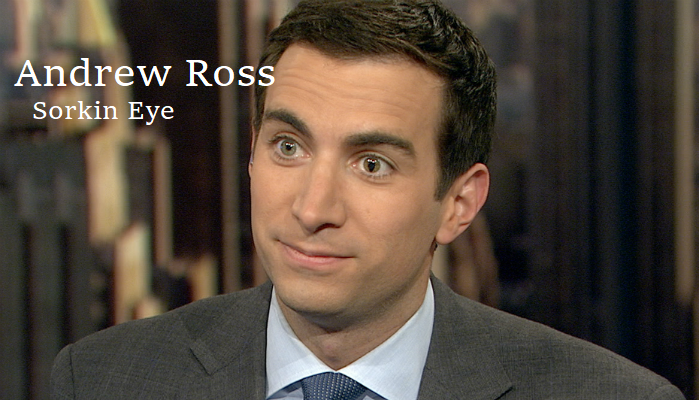
Andrew Ross Sorkin is one of the most recognizable faces in modern business journalism. Andrew Ross Sorkin Eye As a New York Times columnist, bestselling author, and co-anchor of CNBC’s Squawk Box, he’s spent years in front of cameras discussing markets, power, and global finance. Yet alongside his sharp analysis and rapid-fire questioning, there’s one surprisingly persistent topic that keeps coming up online: Andrew Ross Sorkin’s eye.
Search engines, forums, and social media threads often mention his eye appearance, sparking curiosity, speculation, and sometimes misinformation. This article breaks down why people notice Andrew Ross Sorkin’s eye, what’s actually known, and why the discussion says more about media culture than about Sorkin himself.
Who Is Andrew Ross Sorkin? A Quick Context
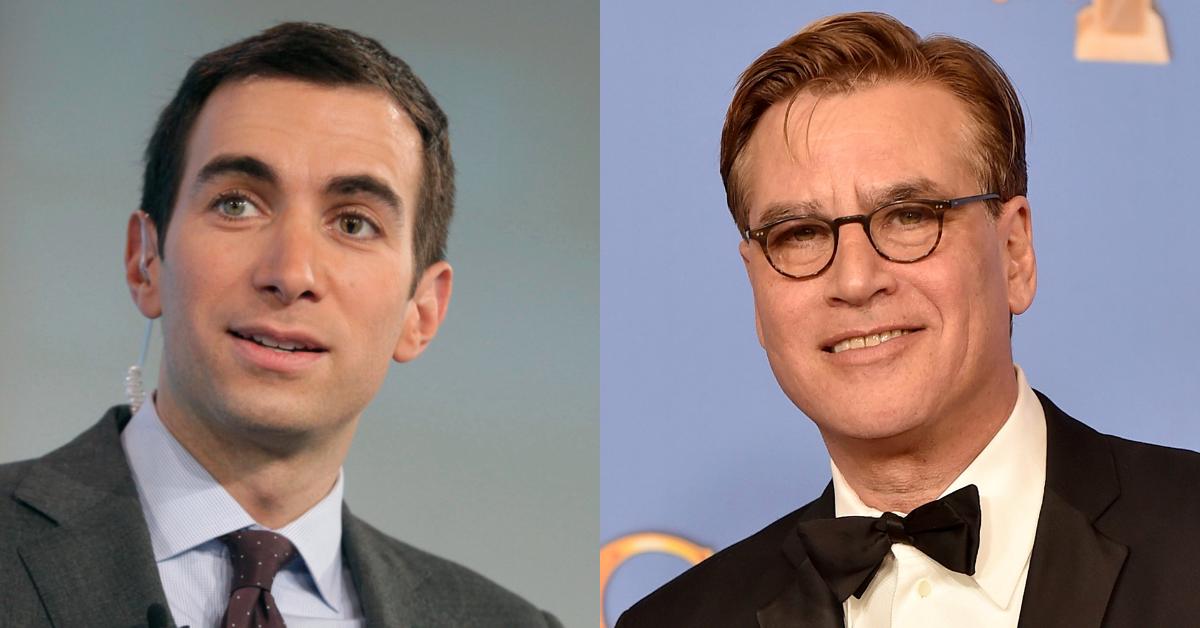
Andrew Ross Sorkin Eye Before diving into the topic itself, it’s important to understand why Andrew Ross Sorkin attracts such close attention in the first place. He isn’t just another TV personality—he’s a heavyweight in financial journalism.
Sorkin is best known as the founder and editor-at-large of DealBook, The New York Times’ influential financial news platform. His reporting during the 2008 financial crisis earned him widespread recognition, and his book Too Big to Fail became both a bestseller and an HBO film. Andrew Ross Sorkin Eye This credibility places him under constant public scrutiny.
Because he appears regularly on television—often live, unscripted, and for long stretches—viewers naturally begin to notice small details, including facial expressions, mannerisms, and yes, his eyes. Andrew Ross Sorkin Eye This is a common phenomenon for anyone with a strong on-camera presence.
Why People Notice Andrew Ross Sorkin Eye on TV
The attention around Andrew Ross Sorkin Eye didn’t start because of a major announcement or medical disclosure. Instead, it grew gradually, fueled by repetition and visibility.
Television magnifies facial features. High-definition cameras, studio lighting, and close-up shots make even minor asymmetries more noticeable. Andrew Ross Sorkin Eye In Sorkin’s case, viewers have occasionally observed what they interpret as uneven blinking, slight asymmetry, or variations in eye movement during intense discussions.
These moments are often amplified during heated debates on Squawk Box, where Sorkin is thinking quickly, reacting in real time, and speaking rapidly. Andrew Ross Sorkin EyeUnder those conditions, natural facial variations become more apparent—and, for some viewers, more intriguing.
Is There a Medical Explanation Behind Andrew Ross Sorkin’s Eye?
This is where it’s important to slow things down and separate fact from speculation. As of now, Andrew Ross Sorkin has never publicly stated that he has a medical condition related to his eye. No verified interviews, articles, or statements confirm any diagnosis or issue.
Human faces are not perfectly symmetrical. Minor differences in eyelid height, blinking patterns, or eye focus are extremely common and often become more visible under stress, bright lights, or long work hours. Live television is a perfect environment for these traits to stand out.
Experts frequently note that eye appearance can change due to fatigue, allergies, dry eyes, contact lenses, or even prolonged screen exposure—factors that are highly relevant for someone working early-morning financial news shows.
The Role of Live Television and High-Pressure Broadcasting
Andrew Ross Sorkin operates in one of the most demanding formats in media: live financial television. Unlike scripted shows, Squawk Box involves unpredictable conversations, breaking news, and real-time market reactions.
During intense exchanges, it’s normal for broadcasters to squint, blink rapidly, or display facial tension. These reactions are physiological responses to concentration and stress—not indicators of health problems.
Additionally, morning television schedules are notoriously grueling. Squawk Box airs early, meaning anchors often wake up well before dawn. Sleep disruption alone can affect eye appearance, making them look uneven or strained on camera.
Why the Internet Fixates on Small Physical Details
The fascination with Andrew Ross Sorkin’s eye is not unique to him. Public figures across politics, journalism, and entertainment face similar scrutiny.
In the age of social media, viewers don’t just consume content—they analyze it. Pausing clips, zooming screenshots, and sharing observations have become part of modern media engagement. What once would have gone unnoticed now becomes a topic of online discussion.
This kind of attention often says more about audience behavior than about the individual. When someone appears on screen regularly and commands authority, viewers subconsciously look for humanizing details—small imperfections that make them relatable or different.
Andrew Ross Sorkin’s Professional Reputation Outweighs Any Visual Curiosity
Despite online curiosity about his eye, Andrew Ross Sorkin’s professional credibility has never been affected by such discussions. His influence in financial journalism remains strong and respected.
He continues to moderate high-profile conferences, interview global leaders, and break major business stories. His analytical skills, industry connections, and ability to explain complex financial topics are the reasons he remains a central figure in economic media.
In other words, whatever viewers think they notice about his eye has had zero impact on his career trajectory or public standing.
Has Andrew Ross Sorkin Ever Addressed the Topic Publicly?
No—Andrew Ross Sorkin has not addressed commentary about his eye, and that silence is telling. For seasoned media professionals, responding to minor physical speculation often gives it more attention than it deserves.
By staying focused on his work, Sorkin reinforces a broader principle: substance matters more than surface-level observations. His approach reflects confidence and professionalism rather than avoidance.
This is common among journalists who understand how quickly off-topic narratives can overshadow meaningful discussion if given oxygen.
Why This Keyword Continues to Trend in Searches
From an SEO perspective, the keyword “Andrew Ross Sorkin eye” continues to trend because it combines a well-known public figure with a curiosity-driven query. People aren’t necessarily looking for controversy—they’re looking for clarity.
Searchers often want to know whether there’s a real story behind what they noticed on TV. In most cases, the answer is simple: there isn’t. What exists instead is a combination of lighting, fatigue, natural asymmetry, and the hyper-awareness created by high-definition broadcasting.
This pattern repeats across media personalities, especially those who appear live and unscripted on a daily basis.
The Bigger Picture: Media Literacy and Public Perception
The discussion around Andrew Ross Sorkin’s eye offers a useful reminder about media literacy. Viewers are seeing highly controlled visual environments that don’t always reflect everyday reality.
Cameras exaggerate details. Lighting reshapes features. Stress changes expressions. None of these factors indicate deeper meaning unless confirmed by reliable sources.
Understanding this helps audiences focus on what truly matters: the ideas being discussed, the questions being asked, and the information being delivered.
Final Thoughts: A Non-Issue Turned Talking Point
At the end of the day, the fascination with Andrew Ross Sorkin’s eye is a minor side note in an otherwise substantial career. There’s no verified medical story, no hidden controversy, and no professional consequence tied to it.
What remains is a reminder of how closely we watch the people who inform us—and how easily curiosity can turn into speculation in the digital age.
Andrew Ross Sorkin continues to be defined not by how he looks on camera, but by how effectively he explains the forces shaping global finance. And for most viewers, that’s what truly keeps them watching.