Hugh Keevins: Inside the Controversial Career of Scotland’s Most Talked-About Football Journalist

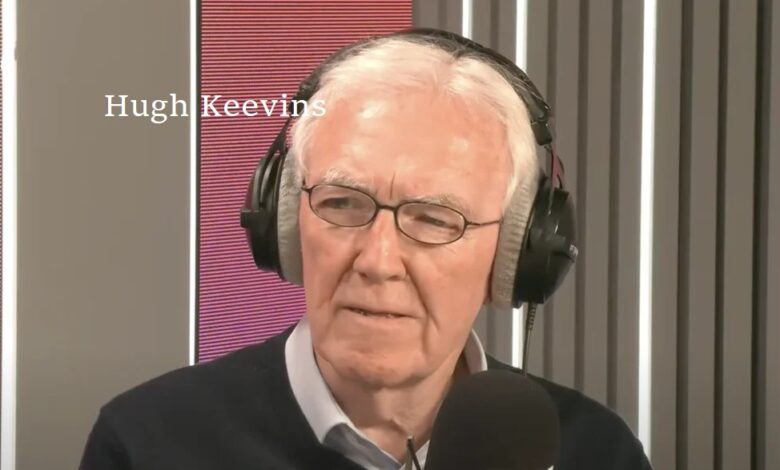
When people talk about influential football journalists in Scotland, one name that almost always enters the conversation is Hugh Keevins. Hugh Keevins Known for his sharp opinions, unmistakable voice, and decades-long presence in the media, Keevins has built a reputation that goes far beyond match reports. He is a storyteller, a critic, and—depending on who you ask—a provocateur who isn’t afraid to stir debate.
In this article, we’ll take a deep dive into his career, media presence, writing style, controversies, and lasting impact on football journalism. Whether you’re a casual reader or a die-hard Scottish football fan, understanding Keevins helps you understand the media culture surrounding the sport in Scotland.
Early Life and Path Into Journalism

Every media personality has an origin story, and for Hugh Keevins, that journey began in Scotland, where football is less a pastime and more a national obsession. Hugh Keevins Growing up in a football-centric environment naturally shaped his interests. Like many young Scots, he was surrounded by weekend fixtures, heated pub debates, and the emotional highs and lows of club rivalries.
His entry into journalism wasn’t overnight fame but rather the result of steady work and persistence. Keevins started in print media at a time when newspapers were the dominant voice of football analysis. This environment forced journalists to develop strong storytelling skills because, unlike today, there were no instant fan reactions on social media to lean on.
During his formative years in the industry, he learned the importance of deadlines, accuracy, and opinion balance. Hugh Keevins Hugh KeevinsThose early newsroom experiences helped craft the confident and unapologetic style he would later become famous for. It also laid the groundwork for his longevity in an industry known for constant turnover.
Rise to Prominence in Scottish Football Media
Keevins’ rise in sports journalism coincided with an era when Scottish football commanded massive local attention. His work with newspapers—particularly the The Scottish Sun—gave him a national platform. Writing for such a widely read publication meant his opinions reached dressing rooms, boardrooms, and living rooms alike.
What made Keevins stand out wasn’t just access—it was voice. He wrote with conviction, often delivering blunt assessments of players, managers, and club decisions. In a media landscape that sometimes leaned diplomatic, Keevins’ forthright tone drew both admiration and criticism.
As his readership grew, so did his influence. Fans began quoting his columns in debates, and clubs were known to respond—directly or indirectly—to his commentary. Hugh Keevins This is when he transitioned from being “a journalist” to “a football personality.”
Radio Fame and Superscoreboard Legacy
While print built his foundation, radio made Hugh Keevins a household name. His long-running involvement with Clyde 1 Superscoreboard amplified his reach dramatically. The show, famous for live call-ins and passionate fan reactions, was the perfect stage for Keevins’ strong viewpoints.
Radio required a different skill set. Instead of carefully edited columns, Keevins had to react in real time—often to emotional supporters of rival clubs. Hugh Keevins His ability to stay composed while delivering sharp analysis became one of his trademarks.
Listeners tuned in not just for match breakdowns but for the debates. Keevins thrived in this environment, challenging callers, defending his views, and occasionally sparking viral moments. Over time, his voice became synonymous with post-match football discussion in Scotland.
Writing Style: Opinionated but Informed
One of the defining characteristics of Keevins’ journalism is his unapologetically opinionated style. He doesn’t hide behind neutral phrasing when he believes a club is underperforming or a manager is making poor decisions.
However, what separates him from mere punditry is experience. Hugh Keevins Decades in the industry mean he writes from historical context. When he critiques a club’s strategy, he often references past eras, former managers, or long-term trends within Scottish football.
His columns balance facts with flair. He understands that football journalism isn’t just about tactics—it’s about emotion, rivalry, and narrative. That storytelling ability keeps readers engaged even when they disagree with his conclusions.
Coverage of Scotland’s Biggest Rivalries
No discussion about Hugh Keevins is complete without mentioning his coverage of the Old Firm rivalry. Matches between Celtic FC and Rangers FC are among the most emotionally charged fixtures in world football, and Keevins has spent decades analyzing them.
Reporting on these clubs requires both courage and resilience. Any strong opinion risks backlash from one side or the other. Keevins never shied away from that pressure. Instead, he leaned into it, offering bold pre-match predictions and uncompromising post-match assessments.
His Old Firm commentary often extends beyond tactics. He explores financial decisions, boardroom politics, fan expectations, and historical legacies. This broader lens makes his analysis more layered than simple match reporting.
Controversies and Public Criticism
With strong opinions come strong reactions. Over the years, Keevins has found himself at the center of multiple controversies. Fans have accused him of bias, while clubs have occasionally bristled at his remarks.
Criticism intensified in the social media era, where journalists face instant feedback. Clips from radio shows or quotes from columns can spread rapidly, sometimes stripped of context. Keevins, however, has remained largely unfazed by online backlash.
Rather than soften his stance, he has continued to double down on honest commentary. For supporters, this authenticity is refreshing. For critics, it can be polarizing. Either way, it keeps him relevant in an evolving media landscape.
Influence on Modern Football Journalism
Younger journalists entering Scottish football media today operate in a very different world—one dominated by podcasts, livestreams, and social platforms. Yet Keevins’ influence is still visible.
He represents an era where journalists were central figures in football discourse. His career demonstrates how credibility is built through consistency, access, and informed opinion—not just viral moments.
Many modern pundits blend entertainment with analysis, a formula Keevins helped popularize on radio. His ability to balance insight with personality paved the way for today’s talk-driven football media formats.
Connection to Glasgow’s Football Culture
To understand Keevins’ staying power, you have to understand Glasgow—a city where football identity runs deep. Media voices there aren’t distant observers; they’re embedded in the culture.
Keevins’ commentary reflects that immersion. He speaks the language of local supporters, understands generational rivalries, and appreciates the social weight football carries in the city.
His work also mirrors the broader football passion of Scotland, where even mid-table clashes can dominate headlines. That cultural alignment keeps his analysis grounded and relatable.
Longevity in a Changing Media Industry
One of Keevins’ most impressive achievements is simply how long he has remained relevant. Sports media has undergone massive transformation—from print dominance to digital immediacy—yet he successfully bridged both worlds.
Adapting to radio, live debate formats, and modern broadcast expectations requires flexibility. Keevins managed that transition without losing his core identity as a columnist first and foremost.
His longevity also speaks to trust. Editors continue to publish him, broadcasters continue to book him, and audiences continue to listen—because his voice carries institutional memory of Scottish football.
Legacy and Lasting Impact
So what is Hugh Keevins’ legacy?
First, he helped shape the tone of Scottish football commentary—direct, passionate, and unfiltered. Second, he demonstrated that journalists can become personalities without abandoning analytical depth.
Finally, his career is a case study in resilience. In an industry where public opinion can shift overnight, he maintained visibility through confidence in his perspective.
Love him or disagree with him, Keevins occupies a permanent place in Scotland’s football media history. His columns, radio debates, and match analyses form part of the sport’s modern narrative.
Final Thoughts
Hugh Keevins isn’t just a journalist who reports on football—he’s part of the conversation that surrounds it. From newspaper columns to radio airwaves, his influence spans generations of fans.
His willingness to speak plainly, challenge clubs, and engage supporters ensures he remains a relevant—and often debated—figure. In a sport fueled by passion, voices like his keep discussion alive long after the final whistle.
As Scottish football continues to evolve, media personalities will come and go. But the impact of Hugh Keevins—his voice, his pen, and his presence—will remain embedded in its storytelling tradition for years to come.